ultra-vdr
 Morne Olivier
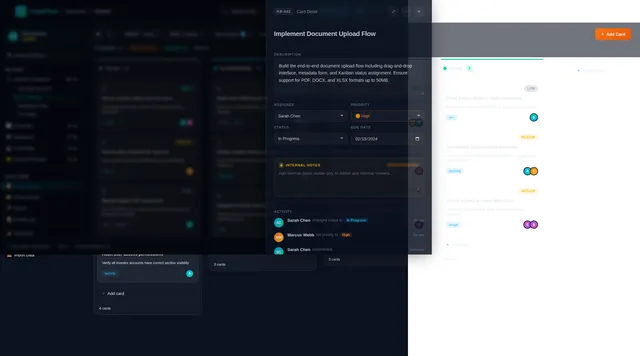
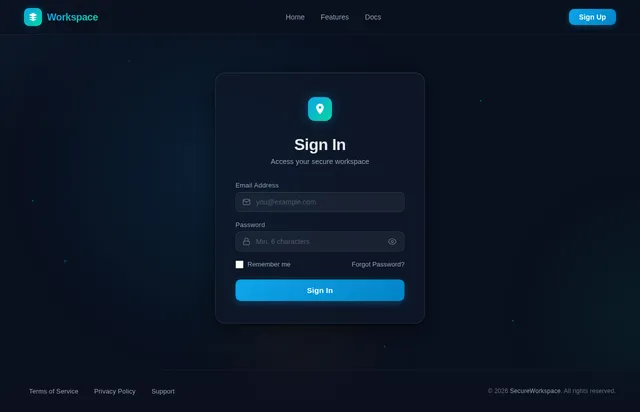
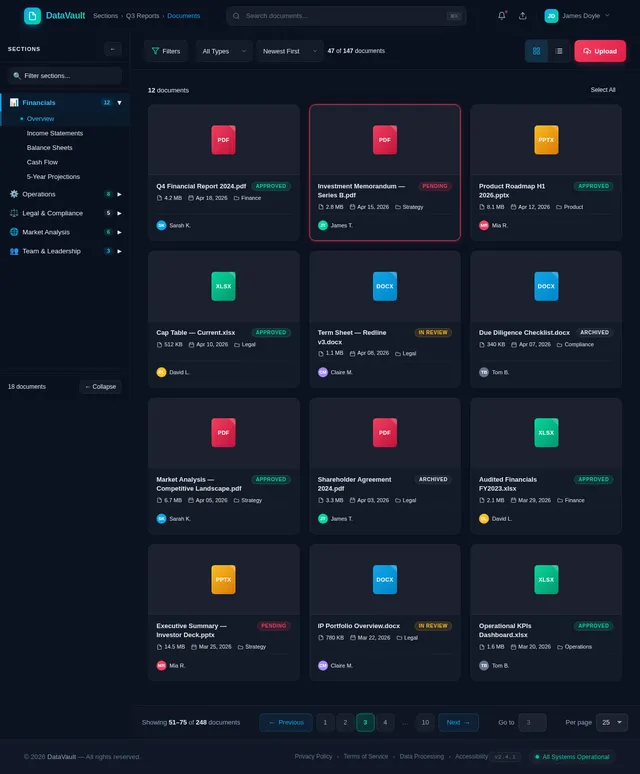
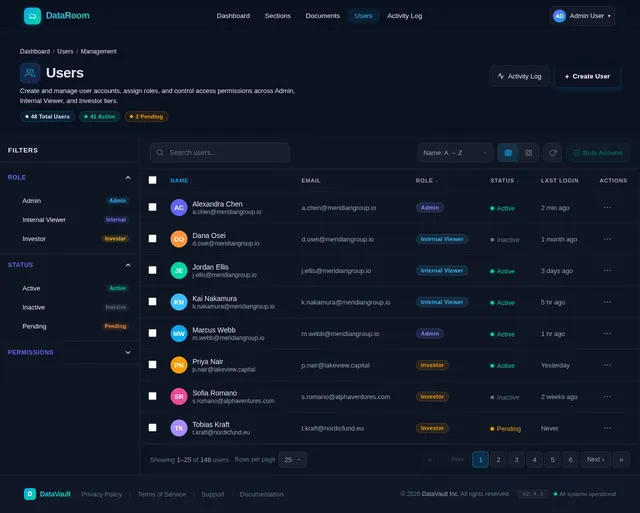
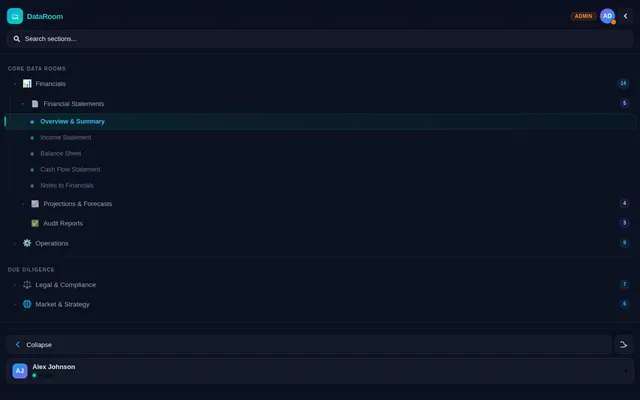
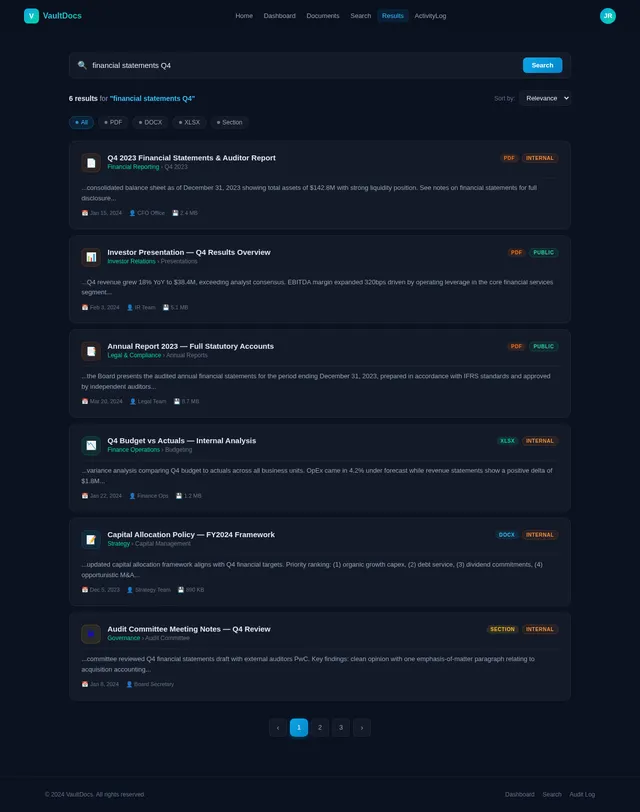
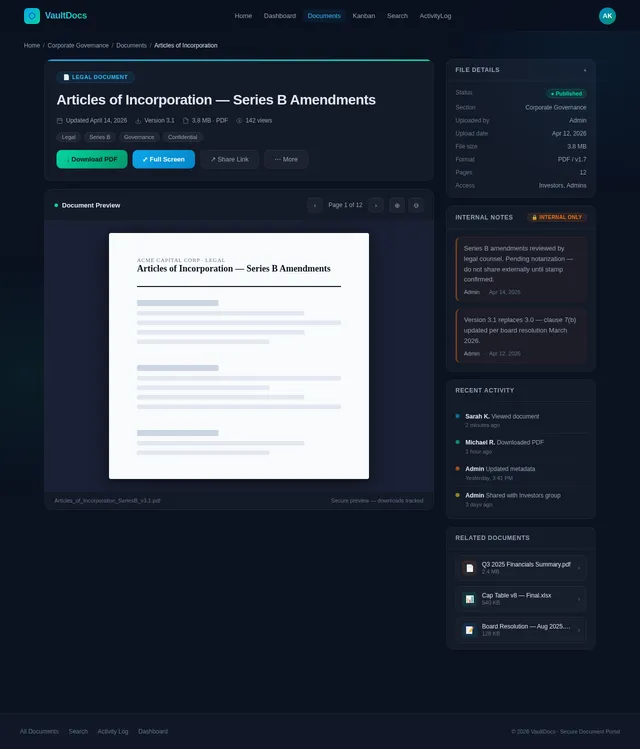
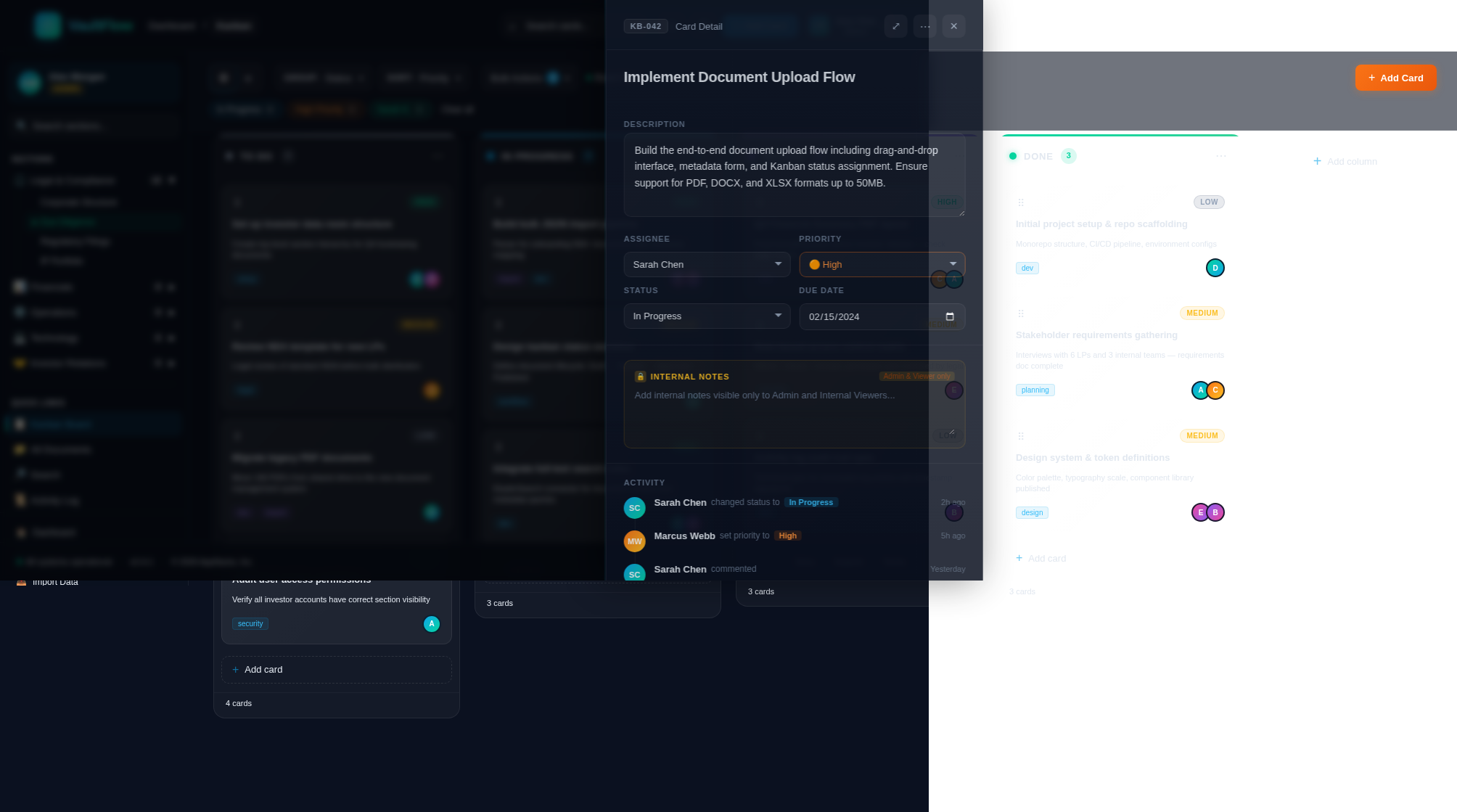
You are a team of collaborating AI agents (architect, tech lead, backend, frontend, DevOps, QA, product) building a Virtual Data Room (VDR) web application for a real estate and carbon removal project called ACCRA & TGR. 1. Project goal Build a production-grade, secure, browser-based VDR where investors can explore, filter, and download documents from our Data Room V3 Part 1 & Part 2, organised by section (1–10), topic (market, technical, ESG, carbon, risk), and status (final, draft, pending input). The VDR must be easy for non-technical LP/IC users to navigate and easy for admins to update as new documents and bullet points are added. Assume I will later paste in structured bullet-point data and document metadata extracted from our current Data Room V3 (Part 1 & 2) – design the system so this can be imported as JSON/CSV without changing code. 2. Core user roles Design for at least three roles: Admin (Project team – Morne/B2BC) Create/edit sections and subsections (e.g. “7. Market validation & comparables”, “9. ESG & carbon”). Upload documents (PDF, XLSX, PPTX, DOCX), tag them, and set visibility. Manage investor accounts and access rights. Edit bullet-point summaries per section (used as the “executive overview” in the UI). Investor / LP / IC member Log in securely (email + password to start; leave hooks for SSO later). Navigate by section (1–10), theme (market, technical, ESG, carbon, risk, financial model), or document type. Read short bullet-point summaries per section. Filter documents (by section, theme, status, date). Preview PDFs in-browser and download files. Read-only internal viewer Same as Investor, but with access to “internal notes” fields where we store commentary and TODOs. 3. Information architecture Model the VDR around the structure we already use in Data Room V3: Section 1–3: Executive summary, project overview, sponsors. Section 4–6: Financial model, returns, capital structure. Section 7: Market validation & comparables (Ghana retail, Airport City, Kotoka, ESG tenant demand). Section 8: Technical & construction (GFA, QS, phasing, utilities, TGR plant design). Section 9: ESG & carbon (ESG positioning, tenant premiums, carbon pathway, biochar pricing, dMRV, tokenisation, offtakes). Section 10: Risk, regulatory safeguards & contingency (risk register, risk narrative, stress cases, sensitivities). For each section and subsection, the system should support: A rich-text overview summary (where I’ll paste the curated bullets we’re building now). A list of linked documents with metadata: Title Section/subsection Theme tags (market, technical, ESG, carbon, risk, financials, legal) Status (Final, Draft, Archived, Pending external input) Version and date Confidentiality level (General, Restricted, Internal only) 4. Functional requirements Please: Design the system architecture Use a simple but scalable stack (e.g. TypeScript, React or Next.js frontend, Node/Express or similar backend, Postgres database). Model entities for: User, Role, Section, Subsection, Document, Tag, AccessRule, ActivityLog. Provide a clean API layer (REST or GraphQL) to: List sections and subsections with summaries. CRUD operations for documents and metadata. Manage users and roles. Log document views/downloads (for later analytics). Build the core UI Investor-facing layout: Left sidebar: Sections 1–10 with expandable subsections. Main pane: Section overview (bullet points I will paste in). Table/grid of documents with sorting and filters. Top bar: Search across titles, tags, and sections. Admin area: Simple “Kanban-style” status board for documents (TODO / In progress / Final / Archived). Forms for creating/editing sections, summaries, and document metadata. Authentication and access control Implement basic auth (email + password) now. Role-based access: Admin / Investor / Internal viewer. Enforce visibility rules for confidential documents. Data import / future integration Create a JSON schema (and example file) for bulk-importing: Sections and subsections. Bullet-point summaries. Document metadata (not the binary files). Design the code so that later we can: Sync document metadata from Google Drive or another storage. Plug in an S3-compatible object store for file binaries. Non-functional requirements Keep it clean and responsive for desktop and tablet. Basic audit logging: who viewed/downloaded which document and when. Reasonable security defaults (no public unauthenticated access to documents). 5. Deliverables From your multi-agent workflow, I expect: A short system design document (Markdown) describing: Overall architecture. Data model (ERD-style description). API endpoints. Auth and access-control approach. Working code for: Backend server with APIs and DB migrations. Frontend app with the investor view and admin dashboard. A README explaining how to run the project locally and how to: Create the first admin user. Seed sections and some sample documents using a JSON file. Treat this as the first production version of the ACCRA & TGR VDR that I can later extend with: Analytics (heatmaps of investor interest by section). Optional AI search/chat over the documents. Integration with our tokenised carbon data streams. Ask clarifying questions only if absolutely necessary; otherwise, propose sensible defaults and build.
Comments (0)
Sign in to leave a comment
No comments yet. Be the first!