sunny-dashboard
 Monish Raj
Create a complete AI-powered food ordering platform including a website, user dashboard, and admin dashboard. System Requirements: 1. Website (Public Platform) - Landing page with hero section and search - AI-powered food recommendation section - Restaurant listing - Menu browsing - About and contact pages 2. User Dashboard (Customer Side) - Login and signup - Personalized home screen - AI-based food recommendations - Restaurant and menu browsing - Cart and checkout - Order tracking (real-time status) - Order history - Profile and settings 3. Admin Dashboard - Admin login - Restaurant management - Menu management - Order management - User management - Analytics dashboard (orders, revenue, user activity) Reference Websites: Use the following references for inspiration: - Swiggy / Zomato → for food ordering flow and structure - Uber Eats → for UI layout and interaction patterns - Notion / Linear → for clean dashboard UI and spacing Instructions: - Do not copy designs directly - Adapt layout, components, and UX patterns - Maintain consistency across website, user dashboard, and admin dashboard Design Requirements: - Modern 2026 UI design - Mobile-first approach - Clean and structured dashboard layouts - Card-based UI system - Clear navigation and hierarchy System Output: - Generate user flow - Generate UI screens - Generate system architecture - Generate database structure - Generate task breakdown Important: Clearly separate and organize outputs into: - Website - User Dashboard - Admin Dashboard Ensure the product feels like a real-world application with proper UX flow and usability.
Comments (0)
Sign in to leave a comment
Project Tasks23
Implement Theme & Structure
As a Frontend Developer, I want to implement the global theme and structural layout so that all scaffold pages (Home, Login, Signup, Welcome, Dashboard/Overview, Dashboard/AI-Assistant, Dashboard/Settings) match the mock-design pages exactly. This includes: applying the Gen Z-inspired color palette (#FFF8E7 background, #1F1B2C surface, #F4F4F9 text, #FF5C5C accent, #B8B8D1 muted), integrating the Satoshi font globally, setting up shared layout components (Navbar, Sidebar, Footer), applying gradient backgrounds, micro-animations, and neon-style design tokens. Also remove any scaffold pages not present in the mock designs. This task must be completed before all other frontend tasks.
Build Landing Page
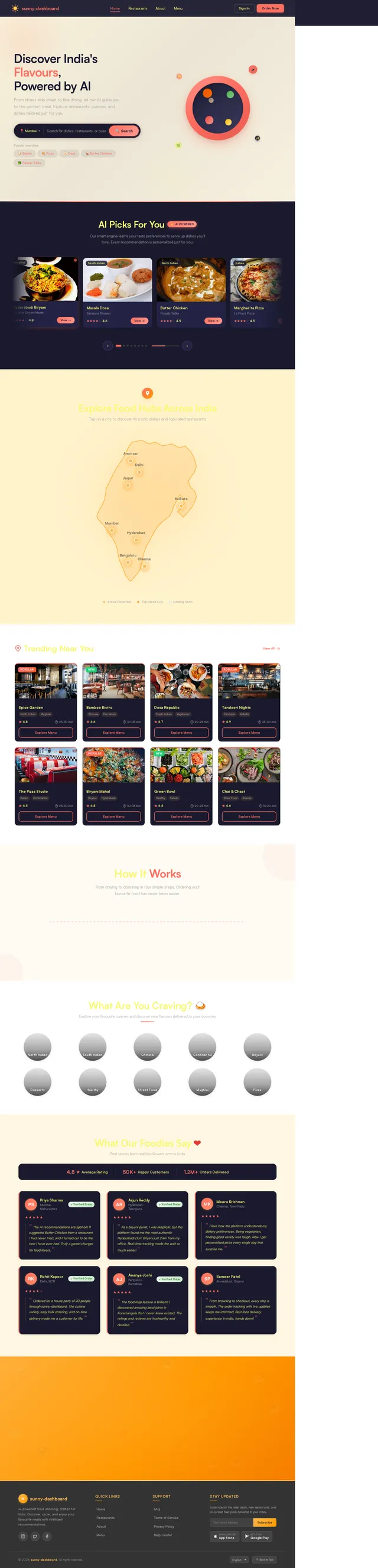
As a Frontend Developer, I want to implement the Landing page based on the existing JSX design (Landing v1) so that visitors can view the hero section with neon cityscape animation, a glowing search bar with animated placeholder text cycling through food items, and an AI-powered food recommendations section. The page should link to the Restaurants listing and Login/Signup pages. Follows the user flow: Landing → Search Food → Restaurants, Landing → AI Picks → Restaurants, Landing → About.
Build Login & Signup Page
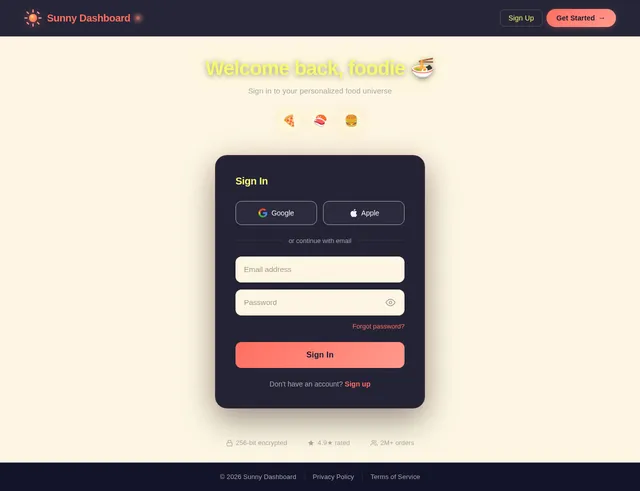
As a Frontend Developer, I want to implement the Login and Signup pages based on the existing JSX design (Login v2) so that visitors can sign in or register. The login page should support user and admin flows. After login, users are directed to the Home page with AI Picks. The page should include animated form inputs, glowing button effects consistent with the Gen Z theme.
Build About Page
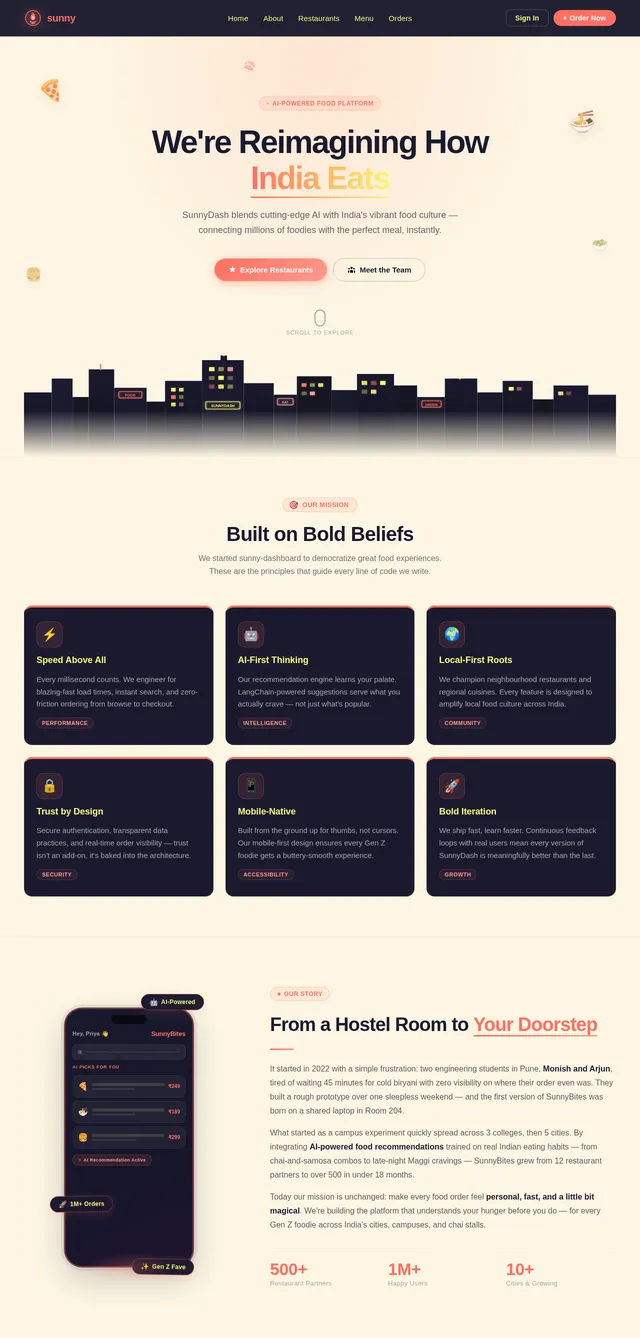
As a Frontend Developer, I want to implement the About page based on the existing JSX design (About v2) so that visitors can view platform information. The page is accessible from the Landing page navigation. Apply consistent Gen Z theme, Satoshi typography, and micro-animations.
Build Restaurants Browse Page
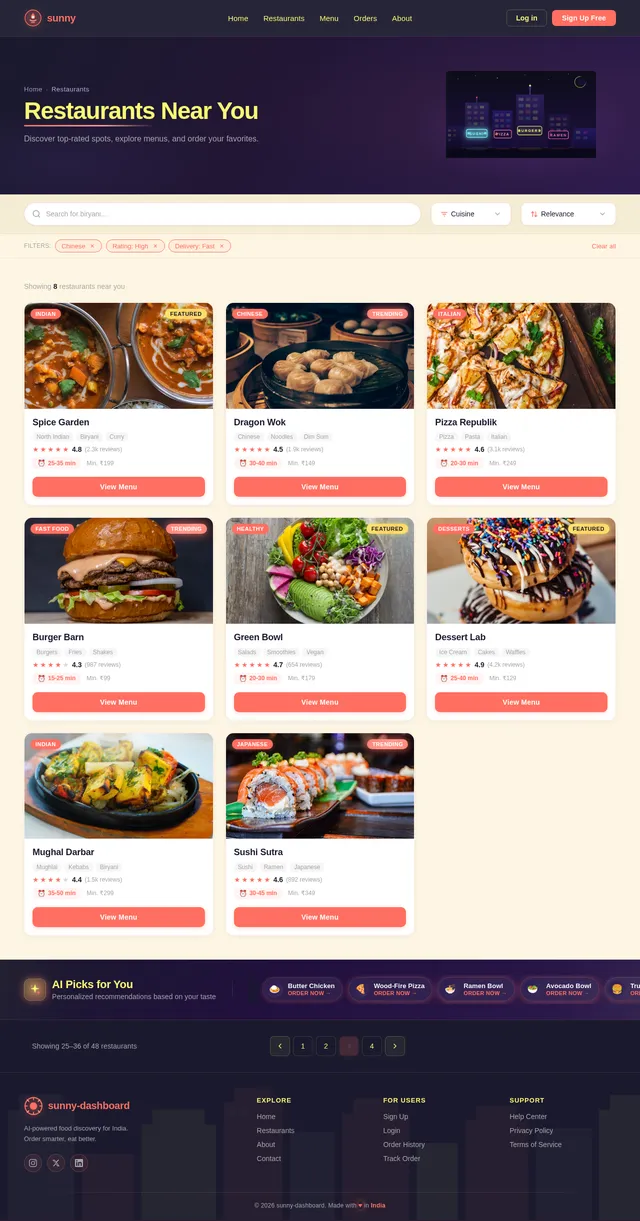
As a Frontend Developer, I want to implement the Restaurants page based on the existing JSX design (Restaurants v2) so that visitors and users can browse the restaurant listing with card-based UI. The page is navigated to from the Landing page (search or AI picks) and from the User Home page. Clicking a restaurant card navigates to the Menu page.
Build Menu Browse Page
As a Frontend Developer, I want to implement the Menu page based on the existing JSX design (Menu v1) so that visitors and users can browse menu items for a selected restaurant. Users can add items to the cart from this page. Visitors without an account are prompted to sign up. Navigates to: Cart page (for users). Follows the user flow: Restaurants → Menu → Cart.
Build User Home Page
As a Frontend Developer, I want to implement the User Home (dashboard overview) page based on the existing JSX design (Home v5) so that logged-in users see personalized AI-based food recommendations, featured restaurants, and quick navigation links. The page navigates to: Restaurants list, Profile/Settings. Follows the user flow: Login → Home → Restaurants, Home → Profile.
Build Admin Analytics Dashboard
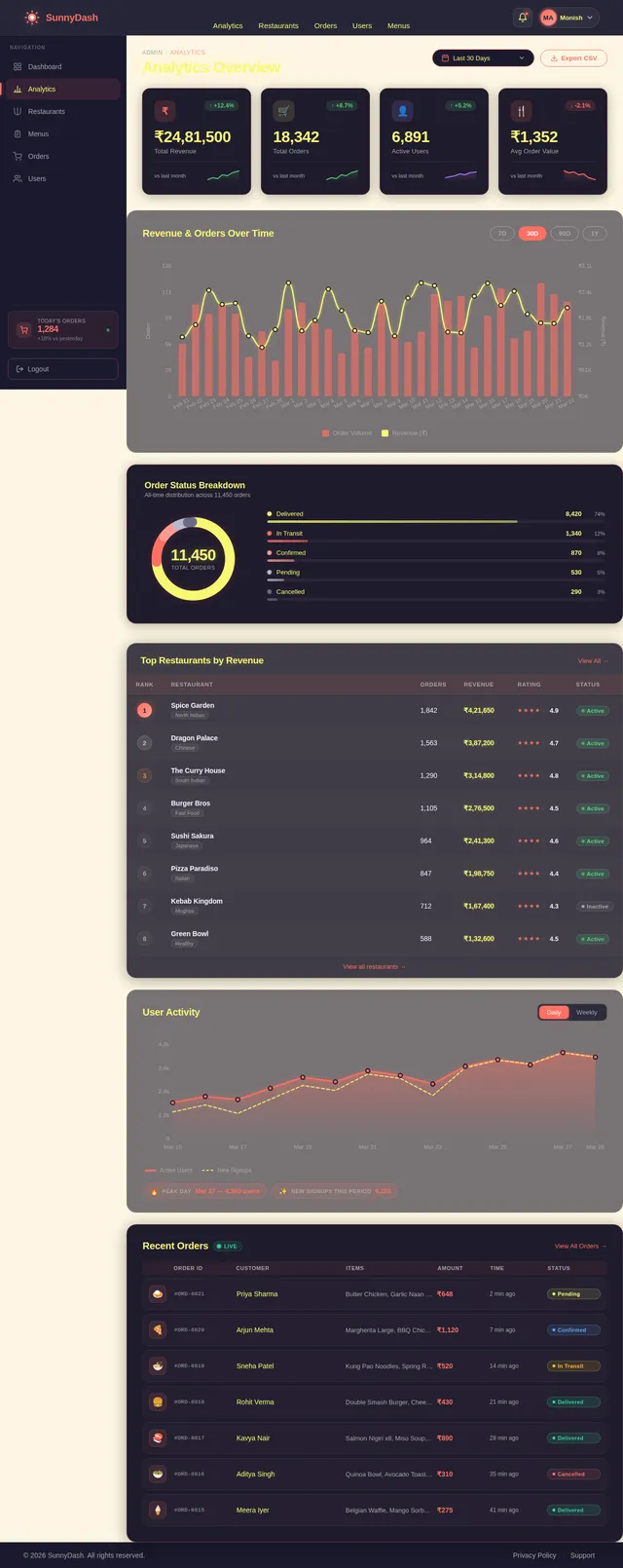
As a Frontend Developer, I want to implement the Admin Analytics page based on the existing JSX design (Analytics v2) so that admins can view key metrics: orders, revenue, and user activity. This is the first page admins see after login, and navigates to Restaurants management, Orders management, and Users management. Follows the admin flow: Login → Analytics → Restaurants, Analytics → Orders, Analytics → Users.
Build Cart & Checkout Page
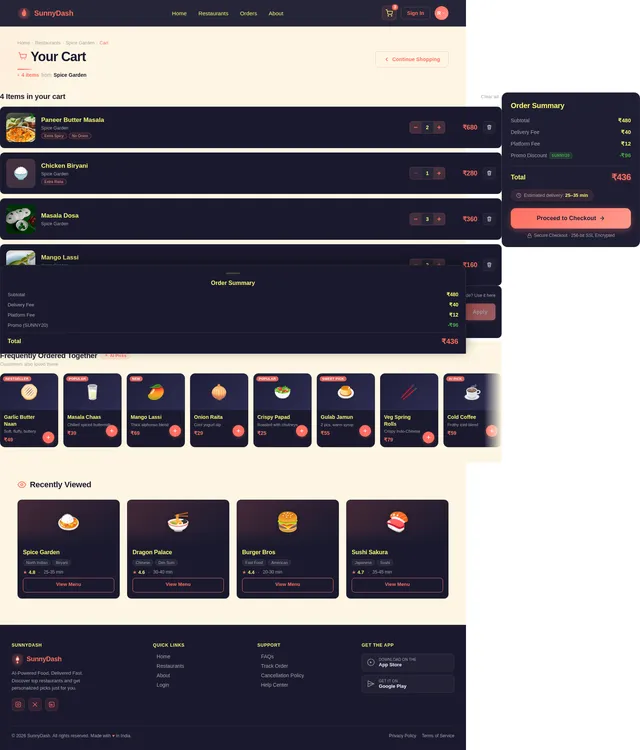
As a Frontend Developer, I want to implement the Cart page based on the existing JSX design (Cart v2) so that users can review their selected items, adjust quantities, and proceed to checkout. Since online payment is not included initially, the checkout confirms the order and redirects to Order Tracking. Follows the user flow: Menu → Cart → Orders (Track Live).
Build Profile & Settings Page
As a Frontend Developer, I want to implement the Profile page based on the existing JSX design (Profile v1) so that users can manage their profile information and settings. Accessible from the User Home page. Follows the user flow: Home → Profile (Manage Settings).
Build Admin Restaurants Page
As a Frontend Developer, I want to implement the Admin Restaurants management page based on the existing JSX design (Restaurants v2) so that admins can add, edit, and delete restaurants. Navigates to the Menus management page for editing menu items. Follows the admin flow: Analytics → Restaurants → Menus.
Build Admin Orders Page
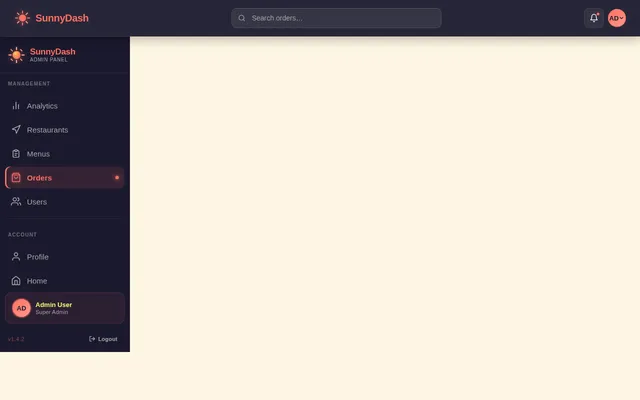
As a Frontend Developer, I want to implement the Admin Orders management page based on the existing JSX design (Orders v2) so that admins can view all orders and update their statuses. Accessible from the Analytics dashboard. Follows the admin flow: Analytics → Orders (Update Status).
Build Admin Users Page
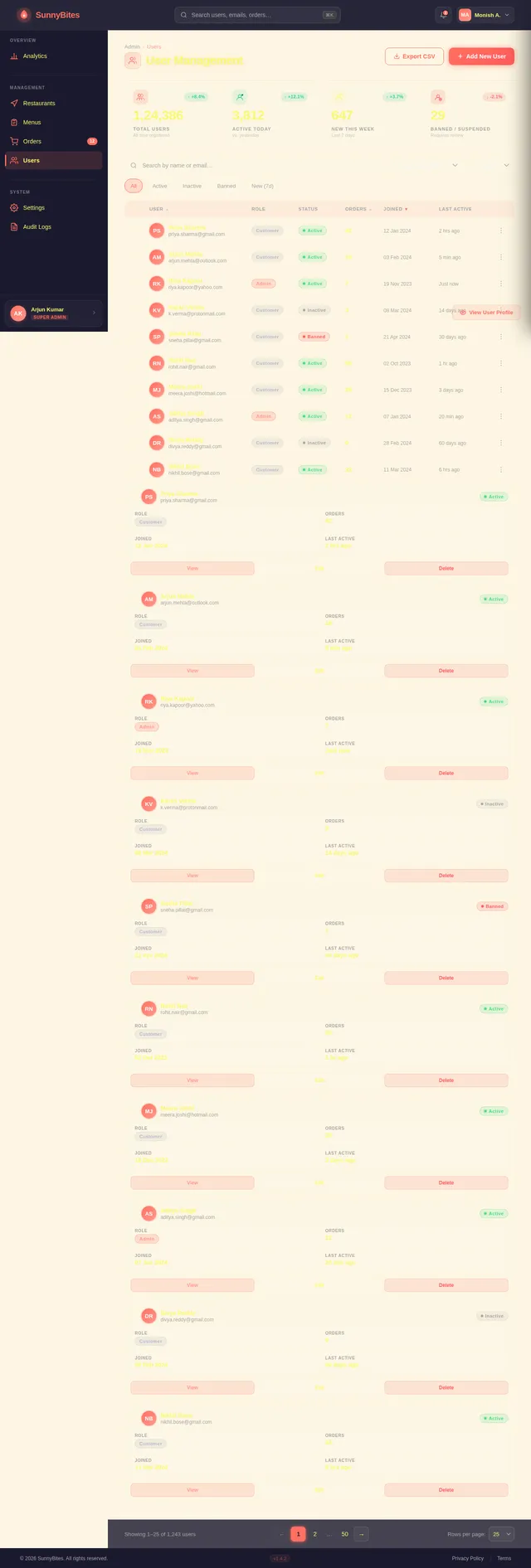
As a Frontend Developer, I want to implement the Admin Users management page based on the existing JSX design (Users v2) so that admins can view, edit, and delete user accounts. Accessible from the Analytics dashboard. Follows the admin flow: Analytics → Users (Manage Accounts).
Implement Selective SRD Re-run
As a Frontend Developer, I want to implement the selective re-run capability so that users can trigger regeneration of specific SRD sections from within the platform UI. This includes a UI control to select which SRD sections to regenerate and an API call to initiate the re-run process.
Build Orders Tracking Page
As a Frontend Developer, I want to implement the Orders page based on the existing JSX design (Orders v2) so that users can track their live order status in real-time and view their order history. Follows the user flow: Cart → Orders (Track Live) → Orders (View History).
Build Admin Menus Page
As a Frontend Developer, I want to implement the Admin Menus management page based on the existing JSX design (Menus v1) so that admins can add, edit, and delete menu items for each restaurant. Accessible from the Restaurants management page. Follows the admin flow: Restaurants → Menus (Edit Items).
Implement Restaurants API
As a Backend Developer, I want to implement REST API endpoints for restaurants so that the frontend can fetch restaurant listings, create, update, and delete restaurants. Endpoints include: GET /restaurants, GET /restaurants/{id}, POST /restaurants, PUT /restaurants/{id}, DELETE /restaurants/{id}. Built with FastAPI and MySQL.
Implement Users Management API
As a Backend Developer, I want to implement REST API endpoints for user management so that admins can view, edit, and delete user accounts, and users can manage their profiles. Endpoints include: GET /users, GET /users/{id}, PUT /users/{id}, DELETE /users/{id}. Built with FastAPI and MySQL.
Implement Menus API
As a Backend Developer, I want to implement REST API endpoints for menus so that the frontend can fetch, create, update, and delete menu items per restaurant. Endpoints include: GET /restaurants/{id}/menus, POST /menus, PUT /menus/{id}, DELETE /menus/{id}. Built with FastAPI and MySQL.
Implement Orders API
As a Backend Developer, I want to implement REST API endpoints for orders so that users can place orders, track real-time status, and view history, and admins can update order statuses. Endpoints include: POST /orders, GET /orders/{id}, GET /orders (user history), PATCH /orders/{id}/status. Built with FastAPI and MySQL.
Implement AI Recommendations API
As an AI Engineer, I want to implement the AI-powered food recommendation API using LangChain and LiteLLM (routing to GPT 5.2) so that the platform can serve personalized food recommendations to users on the Home page and visitors on the Landing page. The API should accept user context/preferences and return ranked food/restaurant suggestions.
Implement Analytics API
As a Backend Developer, I want to implement REST API endpoints for analytics so that the admin dashboard can display aggregated data for orders, revenue, and user activity. Endpoints include: GET /analytics/orders, GET /analytics/revenue, GET /analytics/users. Built with FastAPI and MySQL.
Implement Real-Time Order Tracking
As a Backend Developer, I want to implement real-time order status updates using WebSockets or Server-Sent Events so that users can see live order tracking updates on the Orders page without page refresh. Integrates with the Orders API.
Discover India's Flavours,
Powered by AI
From street-side chaat to fine dining, let our AI guide you to the perfect meal. Explore restaurants, cuisines, and dishes tailored just for you.
AI Picks For You
✨AI PoweredOur smart engine learns your taste preferences to serve up dishes you'll love. Every recommendation is personalized just for you.
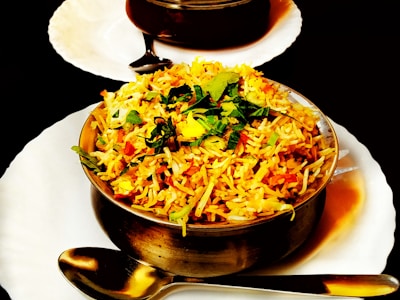 Mughlai
Hyderabadi Biryani
Paradise Biryani House
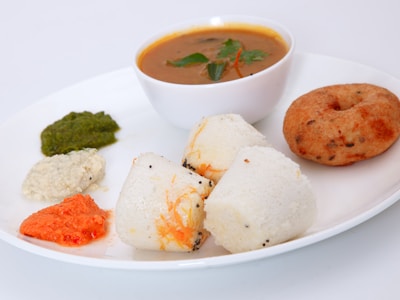 South Indian
Masala Dosa
Saravana Bhavan
 North Indian
Butter Chicken
Punjabi Tadka
 Italian
Margherita Pizza
La Pino'z Pizza
 Tandoor
Paneer Tikka
Barbeque Nation
 Street Food
Vada Pav
Jumboking
 North Indian
Chole Bhature
Haldiram's
 Desserts
Gulab Jamun
Kailash Sweets
Explore Food Hubs Across India
Tap on a city to discover its iconic dishes and top-rated restaurants
Trending Near You


How It Works
From craving to doorstep in four simple steps. Ordering your favourite food has never been easier.
Search & Discover
Browse thousands of restaurants and cuisines near you with our AI-powered search.
Choose Your Meal
Explore menus, read reviews, and pick from personalized recommendations.
Place Your Order
Add to cart, apply offers, and checkout seamlessly with secure payment.
Track in Real-Time
Watch your order move from kitchen to doorstep with live GPS tracking.
Search & Discover
Browse thousands of restaurants and cuisines near you with our AI-powered search.
Choose Your Meal
Explore menus, read reviews, and pick from personalized recommendations.
Place Your Order
Add to cart, apply offers, and checkout seamlessly with secure payment.
Track in Real-Time
Watch your order move from kitchen to doorstep with live GPS tracking.


What Our Foodies Say
Real stories from real food lovers across India
“ The AI recommendations are spot on! It suggested Butter Chicken from a restaurant I had never tried, and it turned out to be the best I have ever had. Truly a game-changer for food lovers. ”
“ As a biryani purist, I was skeptical. But this platform found me the most authentic Hyderabadi Dum Biryani just 2 km from my office. Real-time tracking made the wait so much easier! ”
“ I love how the platform understands my dietary preferences. Being vegetarian, finding good variety was tough. Now I get personalised picks every single day that surprise me. ”
“ Ordered for a house party of 20 people through sunny-dashboard. The cuisine variety, easy bulk ordering, and on-time delivery made me a customer for life. ”
“ The food map feature is brilliant! I discovered amazing local joints in Koramangala that I never knew existed. The ratings and reviews are trustworthy and detailed. ”
“ From browsing to checkout, every step is smooth. The order tracking with live updates keeps me informed. Best food delivery experience in India, hands down! ”
Ready to Start Your Food Journey?
✨Let our AI-powered engine craft the perfect meal recommendations just for you. Discover flavours from across India, tailored to your taste.
No comments yet. Be the first!