As a system, I should automatically group similar tickets into topics for easier analysis.
Implementation contract:
- Outcome: Implement Ticket Analysis
- Requirement sources:
- src-edf292f1d4a5cd71
- src-524e060bea70bd7a
- src-779ebb43dff0ee56
- src-b7a915c038705a4f
- src-b3eec2400b0fa9f3
- src-fc6da1cc4e1ece9b
- src-6e8c644c788821d6
- src-bd0f75265ce7715a
- src-ef66895130da1a1b
- src-a20df35afc360ae8
- src-4d4a11a96ab479fd
- src-65caeb1faece50f8
- 4 additional source record(s) are retained in the structured implementation contract.
- Owned behavior:
- As a system, I should automatically group similar tickets into topics for easier analysis.
- behavior-8158f9876b044cb1
- Group similar tickets into topics (System) — trigger: Resolved tickets are available for analysis.; inputs: Resolved tickets; outcomes: Tickets grouped into semantic topics
- Analyze and cluster support tickets into topics.
- Interfaces:
- API for ticket import
- Input contract for Group similar tickets into topics: Resolved tickets
- Provide backend.ticket.analysis: Analyze and cluster support tickets into topics.
- State transitions:
- Topic clusters created
- When Resolved tickets are available for analysis.: Topic clusters created
- Failure and safety behavior:
- Tickets not grouped
- If Group similar tickets into topics cannot complete: Tickets not grouped.
Acceptance criteria:
- The task-owned behavior is implemented and verified without undeclared mocks or downstream assumptions.
- Tickets are grouped into topics
- When Resolved tickets are available for analysis., System produces Tickets grouped into semantic topics.
- Capability backend.ticket.analysis implements Analyze and cluster support tickets into topics. and is verified through its declared interfaces.
As a system, I should redact names, emails, order numbers, and credentials from tickets and drafts to ensure privacy.
Implementation contract:
- Outcome: Implement Sensitive Information Redaction
- Requirement sources:
- src-16acc4dcccc18607
- src-c7c5bb400f1bbc1f
- src-253cb3a1617ca49f
- src-90c8bc2524e7d7a7
- src-352a14f0cd94163a
- src-885977408e46adc6
- src-94144dde443091fd
- Owned behavior:
- As a system, I should redact names, emails, order numbers, and credentials from tickets and drafts to ensure privacy.
- behavior-7625f74646b903df
- Redact sensitive information from tickets and drafts (System) — trigger: Ticket or draft contains names, emails, order numbers, or credentials.; inputs: Ticket content, Draft content; outcomes: Redacted ticket or draft with sensitive information removed
- Redact sensitive information from tickets and drafts.
- Interfaces:
- Redaction service for ticket and draft content
- Input contract for Redact sensitive information from tickets and drafts: Ticket content, Draft content
- Provide backend.redaction: Redact sensitive information from tickets and drafts.
- State transitions:
- When Ticket or draft contains names, emails, order numbers, or credentials.: Redacted ticket or draft with sensitive information removed
- Failure and safety behavior:
- Sensitive information not redacted
- If Redact sensitive information from tickets and drafts cannot complete: Sensitive information not redacted.
Acceptance criteria:
- The task-owned behavior is implemented and verified without undeclared mocks or downstream assumptions.
- Sensitive information redacted from ticket content
- When Ticket or draft contains names, emails, order numbers, or credentials., System produces Redacted ticket or draft with sensitive information removed.
- Capability backend.redaction implements Redact sensitive information from tickets and drafts. and is verified through its declared interfaces.
As a Frontend Developer, implement the shared Footer component from its approved JSX/CSS design and reuse it across all declared pages without duplicating local variants.
Implementation contract:
- Outcome: Implement Shared Footer
- Owned behavior:
- As a Frontend Developer, implement the shared Footer component from its approved JSX/CSS design and reuse it across all declared pages without duplicating local variants.
- Implement shared design sections: Footer.
Acceptance criteria:
- The task-owned behavior is implemented and verified without undeclared mocks or downstream assumptions.
- The shared Footer component renders once and is reused by every declared consuming page.
Implement and verify the project capability `accepted.behavior.9fa571168310c057` required by generated downstream tasks. Expose a stable implementation contract and satisfy every linked consumer without frontend mocks.
Implementation contract:
- Outcome: Implement the accepted behavior Require human approval with authoritative outcomes and failure handling
- Requirement sources:
- src-2e5c731629c23803
- src-0998967b926ea652
- src-02cc71f83f6d0211
- src-e19fea087e5aad2a
- src-be9f500919c766fd
- src-4006bf73024959f9
- Owned behavior:
- Implement and verify the project capability `accepted.behavior.9fa571168310c057` required by generated downstream tasks. Expose a stable implementation contract and satisfy every linked consumer without frontend mocks.
- Implement and expose capability accepted.behavior.9fa571168310c057.
- Require human approval (System) — trigger: Draft article is ready for review.; inputs: Draft article; outcomes: Draft sent for human approval
- Implement the accepted behavior Require human approval with authoritative outcomes and failure handling.
- Interfaces:
- Provide accepted.behavior.9fa571168310c057.
- Input contract for Require human approval: Draft article
- Provide accepted.behavior.9fa571168310c057: Implement the accepted behavior Require human approval with authoritative outcomes and failure handling.
- State transitions:
- When Draft article is ready for review.: Draft sent for human approval
- Failure and safety behavior:
- If Require human approval cannot complete: Draft not sent for approval.
Acceptance criteria:
- The task-owned behavior is implemented and verified without undeclared mocks or downstream assumptions.
- Capability accepted.behavior.9fa571168310c057 has one active implementation owner and every declared consumer can use its verified interface.
- When Draft article is ready for review., System produces Draft sent for human approval.
- Require human approval includes the required human touchpoint: Draft review UI.
- Capability accepted.behavior.9fa571168310c057 implements Implement the accepted behavior Require human approval with authoritative outcomes and failure handling. and is verified through its declared interfaces.
As a system, I should generate AI-drafted FAQ articles from the best ticket responses.
Implementation contract:
- Outcome: Implement Article Generation
- Requirement sources:
- src-3d37d9dae22b6788
- src-524e060bea70bd7a
- src-779ebb43dff0ee56
- src-b7a915c038705a4f
- src-b3eec2400b0fa9f3
- src-fc6da1cc4e1ece9b
- src-6e8c644c788821d6
- src-bd0f75265ce7715a
- src-86a383d9a1cacd34
- src-227f84a4d4d7ed87
- src-b73134a587d6d9b2
- src-163400378d714138
- 2 additional source record(s) are retained in the structured implementation contract.
- Owned behavior:
- As a system, I should generate AI-drafted FAQ articles from the best ticket responses.
- behavior-2fa49d15e808cf54
- Generate structured draft (System) — trigger: A recurring question is selected for documentation.; inputs: Recurring question, Source tickets, Best responses; outcomes: Structured article draft generated
- Generate structured article drafts from clustered tickets.
- Interfaces:
- AI model for draft generation
- Input contract for Generate structured draft: Recurring question, Source tickets, Best responses
- Provide backend.article.generation: Generate structured article drafts from clustered tickets.
- State transitions:
- Draft created
- When A recurring question is selected for documentation.: Draft created
- Failure and safety behavior:
- Draft generation failed
- If Generate structured draft cannot complete: Draft generation failed.
Acceptance criteria:
- The task-owned behavior is implemented and verified without undeclared mocks or downstream assumptions.
- Structured draft is generated
- When A recurring question is selected for documentation., System produces Structured article draft generated.
- Capability backend.article.generation implements Generate structured article drafts from clustered tickets. and is verified through its declared interfaces.
Depends on:#1
Waiting for dependencies
As a Frontend Developer, implement the shared Navbar component from its approved JSX/CSS design and reuse it across all declared pages without duplicating local variants.
Implementation contract:
- Outcome: Implement Shared Navbar
- Owned behavior:
- As a Frontend Developer, implement the shared Navbar component from its approved JSX/CSS design and reuse it across all declared pages without duplicating local variants.
- Implement shared design sections: LandingPricingPlans, Navbar.
Acceptance criteria:
- The task-owned behavior is implemented and verified without undeclared mocks or downstream assumptions.
- The shared Navbar component renders once and is reused by every declared consuming page.
Depends on:#7
Waiting for dependencies
As a system, I should validate article drafts for content requirements and flag issues.
Implementation contract:
- Outcome: Implement Article Validation
- Requirement sources:
- src-a91046ec6541bcbe
- src-399958e2b797b3ae
- src-09b1a6f0e2a09cca
- src-24dfd3ff4946f4e0
- src-5abc1bd31495bd88
- src-86a383d9a1cacd34
- src-227f84a4d4d7ed87
- src-be9f500919c766fd
- Owned behavior:
- As a system, I should validate article drafts for content requirements and flag issues.
- behavior-ec1889dff7045e69
- Flag uncertain claims, outdated instructions, and missing steps (System) — trigger: Structured draft is generated.; inputs: Draft article; outcomes: Flags for uncertain claims, outdated instructions, missing steps
- Validate article drafts for content requirements and flag issues.
- Interfaces:
- Validation rules for draft content
- Input contract for Flag uncertain claims, outdated instructions, and missing steps: Draft article
- Provide backend.article.validation: Validate article drafts for content requirements and flag issues.
- State transitions:
- When Structured draft is generated.: Flags for uncertain claims, outdated instructions, missing steps
- Failure and safety behavior:
- Issues not flagged
- If Flag uncertain claims, outdated instructions, and missing steps cannot complete: Issues not flagged.
Acceptance criteria:
- The task-owned behavior is implemented and verified without undeclared mocks or downstream assumptions.
- Draft flagged for review issues
- When Structured draft is generated., System produces Flags for uncertain claims, outdated instructions, missing steps.
- Capability backend.article.validation implements Validate article drafts for content requirements and flag issues. and is verified through its declared interfaces.
Depends on:#2
Waiting for dependencies
As a system, I should provide evidence links showing which tickets support each generated claim.
Implementation contract:
- Outcome: Implement Evidence Links Addition
- Requirement sources:
- src-abca5e8bd0aa87ae
- src-f8a8a2226ea45d38
- src-c7af800efd7fee7c
- src-f9b38da880c6cf5e
- Owned behavior:
- As a system, I should provide evidence links showing which tickets support each generated claim.
- behavior-a62152b6cc4e5cd1
- Provide evidence links for generated claims (System) — trigger: Article draft is generated.; inputs: Generated article draft; outcomes: Evidence links added to claims
- Add evidence links to claims in generated drafts.
- Interfaces:
- Evidence linking service for draft claims
- Input contract for Provide evidence links for generated claims: Generated article draft
- Provide backend.evidence.links: Add evidence links to claims in generated drafts.
- State transitions:
- When Article draft is generated.: Evidence links added to claims
- Failure and safety behavior:
- Evidence links not provided
- If Provide evidence links for generated claims cannot complete: Evidence links not provided.
Acceptance criteria:
- The task-owned behavior is implemented and verified without undeclared mocks or downstream assumptions.
- Evidence links attached to draft claims
- When Article draft is generated., System produces Evidence links added to claims.
- Capability backend.evidence.links implements Add evidence links to claims in generated drafts. and is verified through its declared interfaces.
Depends on:#2
Waiting for dependencies
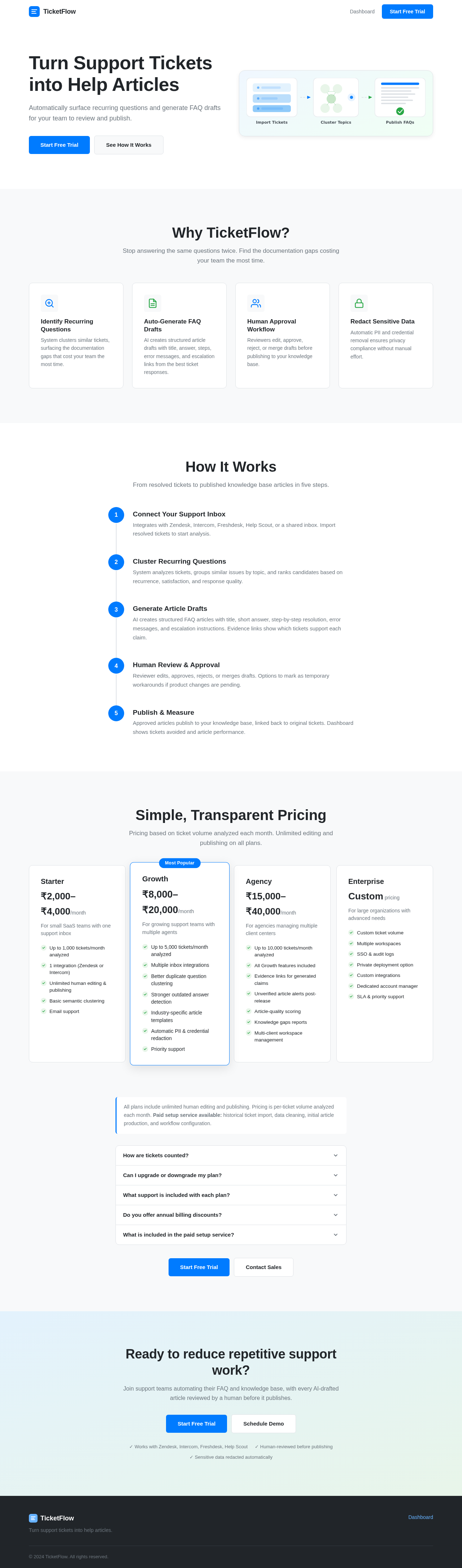
As a Frontend Developer, implement the approved Landing page design and the task-owned sections below.
Implementation contract:
- Outcome: Implement Landing page
- Requirement sources:
- src-a137228cadfe99ac
- src-7fa43f423eb829b5
- src-33b07d9a4dd4f36b
- src-8f90235a7a5543be
- src-04e9df238c4a11b4
- src-39390e272bbc2c88
- src-e5b4a64306ad7ed8
- Owned behavior:
- visible and interactive behavior owned by these sections
- Interfaces:
- consumed API, data, or event contracts
- State transitions:
- material source-backed transition with its trigger and observable result
- Failure and safety behavior:
- source-backed failure behavior owned by this task
Acceptance criteria:
- The task-owned behavior is implemented and verified without undeclared mocks or downstream assumptions.
- Render the Landing page with all sections exactly once
- Ensure all CTAs navigate correctly
- Maintain the design structure and theme
- Verify scroll-triggered animations and hover effects
- Ensure the page is accessible to Support Agents without additional authorization
- observable task-owned checks
Depends on:#7#6
Waiting for dependencies
As a Frontend Developer, implement the approved Article Review page design and the task-owned sections below.
Implementation contract:
- Outcome: Implement Article Review Page
- Requirement sources:
- src-69ad39b82bf5bf4d
- src-fecd99bc67d82380
- src-be9f500919c766fd
- src-0998967b926ea652
- src-e19fea087e5aad2a
- src-5ca0b14457f96bd2
- src-2e5c731629c23803
- src-02cc71f83f6d0211
- src-4006bf73024959f9
- Owned behavior:
- visible and interactive behavior owned by these sections
- Review and approve drafts (Reviewer) — trigger: Drafts are submitted for review.; inputs: Article drafts; outcomes: Approved or rejected drafts
- Review and approve generated article drafts.
- Interfaces:
- consumed API, data, or event contracts
- Input contract for Review and approve drafts: Article drafts
- Provide backend.article.review: Review and approve generated article drafts.
- Consume accepted.behavior.9fa571168310c057: Implement the accepted behavior Require human approval with authoritative outcomes and failure handling.
- State transitions:
- material source-backed transition with its trigger and observable result
- When Drafts are submitted for review.: Approved or rejected drafts
- Failure and safety behavior:
- source-backed failure behavior owned by this task
- If Review and approve drafts cannot complete: Drafts not approved.
- Web research:
- RESEARCH BLOCKER: Provider-managed surface label is not selected; all official documentation describes only first-party custom UI. No provider-specific authentication, API, or delivery surface identified in source evidence.
Acceptance criteria:
- The task-owned behavior is implemented and verified without undeclared mocks or downstream assumptions.
- observable task-owned checks
- When Drafts are submitted for review., Reviewer produces Approved or rejected drafts.
- Capability backend.article.review implements Review and approve generated article drafts. and is verified through its declared interfaces.
- Capability accepted.behavior.9fa571168310c057 implements Implement the accepted behavior Require human approval with authoritative outcomes and failure handling. and is verified through its declared interfaces.
Depends on:#7#2#6#12
Waiting for dependencies
Implement and verify the project capability `backend.alerts` required by generated downstream tasks. Expose a stable implementation contract and satisfy every linked consumer without frontend mocks.
Implementation contract:
- Outcome: Generate alerts for article and ticket issues
- Requirement sources:
- src-fc3ace142429304a
- src-15aeb46c8e5a54f1
- src-d5c0083966e73bbd
- src-a82d48519e069d6b
- Owned behavior:
- Implement and verify the project capability `backend.alerts` required by generated downstream tasks. Expose a stable implementation contract and satisfy every linked consumer without frontend mocks.
- Implement and expose capability backend.alerts.
- Alert for article and ticket issues (System) — trigger: Relevant article or ticket event occurs.; inputs: New ticket contradicts article, Article generates repeated 'still need help' tickets, Article unverified post-release, Recurring question without answer, Duplicate articles detected; outcomes: Alert for contradicting tickets, Alert for repeated 'still need help' tickets, Alert for unverified articles post-release, Alert for recurring questions without answers, Alert for duplicate articles
- Generate alerts for article and ticket issues.
- Interfaces:
- Provide backend.alerts.
- Input contract for Alert for article and ticket issues: New ticket contradicts article, Article generates repeated 'still need help' tickets, Article unverified post-release, Recurring question without answer, Duplicate articles detected
- Provide backend.alerts: Generate alerts for article and ticket issues.
- State transitions:
- When Relevant article or ticket event occurs.: Alert for contradicting tickets, Alert for repeated 'still need help' tickets, Alert for unverified articles post-release, Alert for recurring questions without answers, Alert for duplicate articles
- Failure and safety behavior:
- If Alert for article and ticket issues cannot complete: No alert generated.
Acceptance criteria:
- The task-owned behavior is implemented and verified without undeclared mocks or downstream assumptions.
- Capability backend.alerts has one active implementation owner and every declared consumer can use its verified interface.
- When Relevant article or ticket event occurs., System produces Alert for contradicting tickets.
- When Relevant article or ticket event occurs., System produces Alert for repeated 'still need help' tickets.
- When Relevant article or ticket event occurs., System produces Alert for unverified articles post-release.
- When Relevant article or ticket event occurs., System produces Alert for recurring questions without answers.
- When Relevant article or ticket event occurs., System produces Alert for duplicate articles.
- Alert for article and ticket issues includes the required human touchpoint: Dashboard.
- Alert for article and ticket issues includes the required human touchpoint: Notifications.
- Capability backend.alerts implements Generate alerts for article and ticket issues. and is verified through its declared interfaces.
Depends on:#2
Waiting for dependencies
As a Frontend Developer, implement the approved Dashboard page design and the task-owned sections below.
Implementation contract:
- Outcome: Implement Dashboard page
- Requirement sources:
- src-524e060bea70bd7a
- src-fc3ace142429304a
- src-779ebb43dff0ee56
- src-b7a915c038705a4f
- src-b3eec2400b0fa9f3
- src-fc6da1cc4e1ece9b
- src-6e8c644c788821d6
- src-bd0f75265ce7715a
- src-edf292f1d4a5cd71
- src-ef66895130da1a1b
- src-a20df35afc360ae8
- src-4d4a11a96ab479fd
- 8 additional source record(s) are retained in the structured implementation contract.
- Owned behavior:
- visible and interactive behavior owned by these sections
- Interfaces:
- consumed API, data, or event contracts
- Consume backend.ticket.analysis: Analyze and cluster support tickets into topics.
- Consume backend.alerts: Generate alerts for article and ticket issues.
- State transitions:
- material source-backed transition with its trigger and observable result
- Failure and safety behavior:
- source-backed failure behavior owned by this task
Acceptance criteria:
- The task-owned behavior is implemented and verified without undeclared mocks or downstream assumptions.
- observable task-owned checks
- Capability backend.ticket.analysis implements Analyze and cluster support tickets into topics. and is verified through its declared interfaces.
- Capability backend.alerts implements Generate alerts for article and ticket issues. and is verified through its declared interfaces.
Depends on:#13#6#1#7
Waiting for dependencies
As a Frontend Developer, implement the approved Dashboard page design and the task-owned sections below.
Implementation contract:
- Outcome: Implement DashboardArticleDrafts section
- Requirement sources:
- src-69ad39b82bf5bf4d
- src-fecd99bc67d82380
- src-524e060bea70bd7a
- src-779ebb43dff0ee56
- src-b7a915c038705a4f
- src-b3eec2400b0fa9f3
- src-fc6da1cc4e1ece9b
- src-6e8c644c788821d6
- src-bd0f75265ce7715a
- src-3d37d9dae22b6788
- src-86a383d9a1cacd34
- src-227f84a4d4d7ed87
- 19 additional source record(s) are retained in the structured implementation contract.
- Owned behavior:
- Display and manage article drafts
- Filter and sort drafts
- Navigate to Article Review
- Interfaces:
- API for fetching article drafts
- Consume backend.article.generation: Generate structured article drafts from clustered tickets.
- Consume backend.article.validation: Validate article drafts for content requirements and flag issues.
- Consume backend.redaction: Redact sensitive information from tickets and drafts.
- Consume backend.evidence.links: Add evidence links to claims in generated drafts.
- State transitions:
- Draft selection state change
- Failure and safety behavior:
- No drafts available
- API fetch failure
Acceptance criteria:
- The task-owned behavior is implemented and verified without undeclared mocks or downstream assumptions.
- Drafts display correctly
- Filtering and sorting work as expected
- Navigation to Article Review is functional
- Capability backend.article.generation implements Generate structured article drafts from clustered tickets. and is verified through its declared interfaces.
- Capability backend.article.validation implements Validate article drafts for content requirements and flag issues. and is verified through its declared interfaces.
- Capability backend.redaction implements Redact sensitive information from tickets and drafts. and is verified through its declared interfaces.
- Capability backend.evidence.links implements Add evidence links to claims in generated drafts. and is verified through its declared interfaces.
Depends on:#6#3#5#4#7#2
Waiting for dependencies


No comments yet. Be the first!