
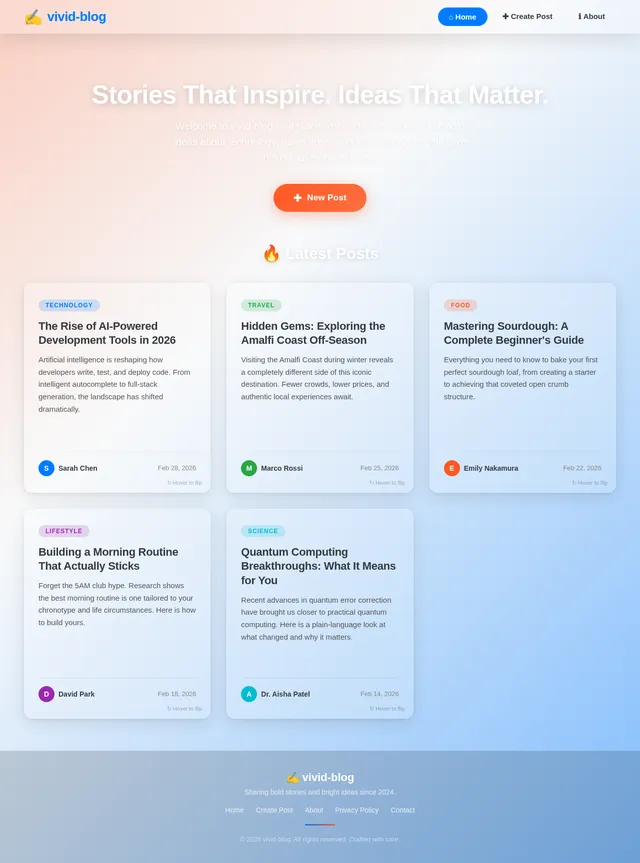
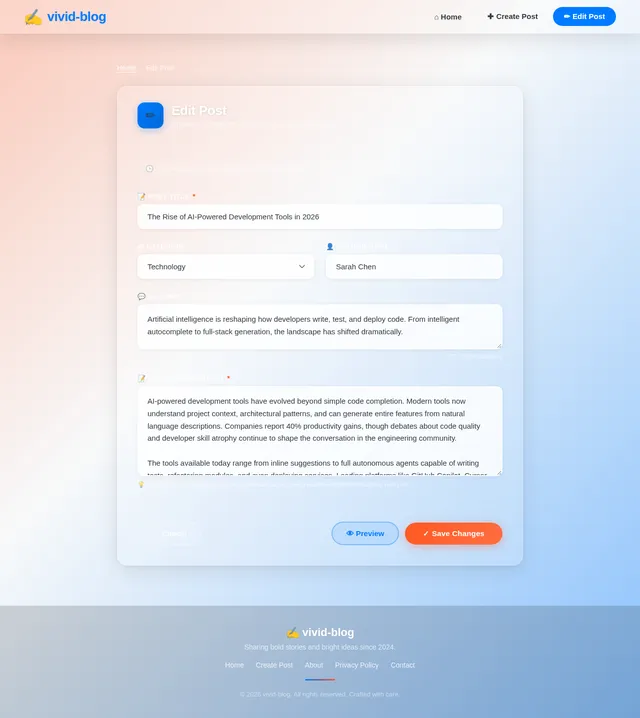
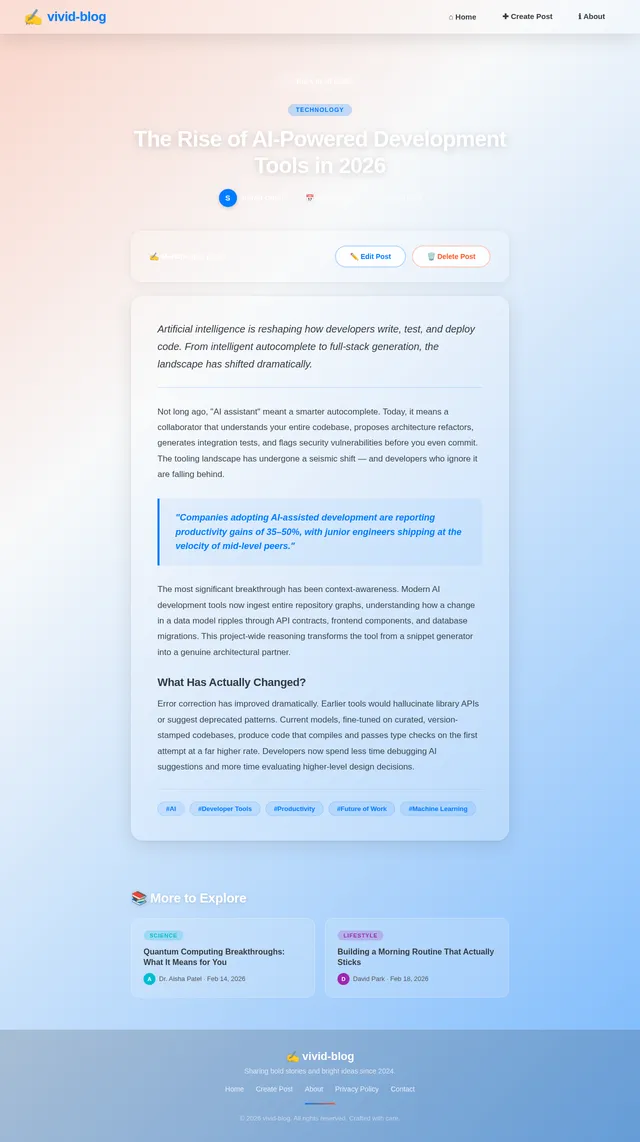
Artificial intelligence is reshaping how developers write, test, and deploy code. From intelligent autocomplete to full-stack generation, the landscape has shifted dramatically.
Not long ago, "AI assistant" meant a smarter autocomplete. Today, it means a collaborator that understands your entire codebase, proposes architecture refactors, generates integration tests, and flags security vulnerabilities before you even commit. The tooling landscape has undergone a seismic shift — and developers who ignore it are falling behind.
"Companies adopting AI-assisted development are reporting productivity gains of 35–50%, with junior engineers shipping at the velocity of mid-level peers."
The most significant breakthrough has been context-awareness. Modern AI development tools now ingest entire repository graphs, understanding how a change in a data model ripples through API contracts, frontend components, and database migrations. This project-wide reasoning transforms the tool from a snippet generator into a genuine architectural partner.
What Has Actually Changed?
Error correction has improved dramatically. Earlier tools would hallucinate library APIs or suggest deprecated patterns. Current models, fine-tuned on curated, version-stamped codebases, produce code that compiles and passes type checks on the first attempt at a far higher rate. Developers now spend less time debugging AI suggestions and more time evaluating higher-level design decisions.
No comments yet. Be the first!